
Questions
What Are the Downsides of Using a Dry Herb Vaporizer?
Dry herb vaporizers are generally less harmful than smoking, but they still carry risks like throat and lung irritation, a shorter and less intense high, battery and maintenance hassles, and noticeable odor. Choosing a quality device and using it correctly can reduce these downsides.
What are the downsides of using a dry herb vaporizer for your lungs?
The main downside of using a dry herb vaporizer is that it still carries the potential for irritation to your throat and lungs. While vaporizing avoids the tar and carbon monoxide that come from combustion, the hot, dry vapor itself can irritate airways, especially if you take long draws or use high temperatures. Some people experience coughing, wheezing, or a dry throat after vaping cannabis.
The long-term health effects of dry herb vaping are still being studied, but early research suggests it's not safe or healthy in an absolute sense. Compared to smoking, dry herb vaping is generally considered a healthier choice for your respiratory system, but it's not without risk. The vapor contains cannabinoids, terpenes, and flavonoids, but also fine particles that can reach deep into the lungs. There's also a concern about bronchiolitis obliterans, a serious lung condition linked to certain vaping products, though that's more associated with nicotine e-liquids and additives like diacetyl. Dry herb vaporizers that heat plant material without added chemicals are less of a concern, but the risk is not zero.
If you have asthma, COPD, or other respiratory conditions, talk to your doctor before using any inhalable product. For those who want to avoid lung exposure entirely, edibles or tinctures may be a better fit. If you do vape dry herb, using a quality device with temperature control and starting at lower temperatures can help reduce irritation.

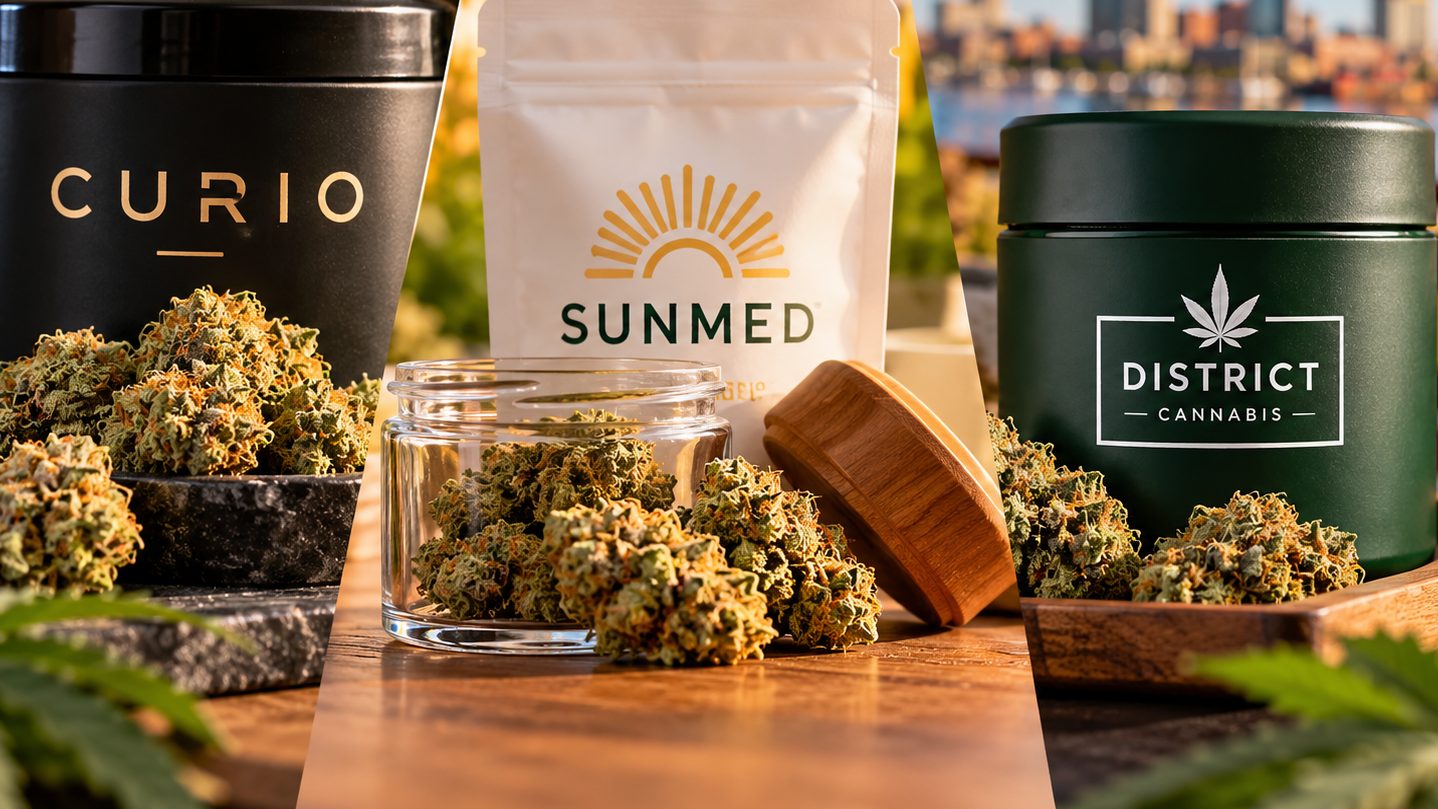

Choosing a dry herb vaporizer that minimizes the downsides
Not all dry herb vaporizers are equal. The device you choose affects vapor quality, ease of use, and how much of the downsides you experience. Here's what to look for when comparing options.
| Feature | Why it matters | What to look for |
|---|---|---|
| Heating method | Convection heats herb with hot air; conduction heats it by contact. Convection often produces smoother vapor. | Convection or hybrid heating for better flavor and less harshness. |
| Temperature control | Lower temps preserve terpenes and reduce irritation; higher temps produce stronger effects but harsher vapor. | Precise temperature settings or presets. |
| Vapor path | Glass or ceramic paths are cleaner and less likely to affect taste. | Glass mouthpieces or all-glass vapor path. |
| Battery life | Portable vapes run out; some last longer than others. | Removable batteries or a model with long battery life. |
| Cleaning ease | Residue builds up and affects performance and flavor. | Easy-to-disassemble parts and few crevices. |
| Brand reputation | Quality control and safety standards vary. | Established brands like Storz & Bickel (e.g., Mighty+ Medic) or others with good reviews. |
You can find a range of dry herb vaporizers at our Columbia dispensary. Our staff can help you compare features and find one that fits your budget and needs. Prices vary depending on the model and features.
Why the high from a dry herb vaporizer feels different
Many people notice that vaping dry herb produces a different high than smoking. Here's why the effects feel different with dry herb vapes.
| Aspect | Smoking | Dry herb vaping |
|---|---|---|
| Onset | Fast, almost immediate | Fast, but sometimes slightly slower due to lower temps |
| Intensity | Often felt as a stronger, more sedating high | Often described as more clear-headed and less heavy |
| Duration | Typically 1–3 hours | Often shorter, sometimes 30–90 minutes |
| Effects | More sedative and couch-lock due to higher temps and combustion byproducts | More functional and cerebral, especially at lower temps |
If you're used to smoking, the vaping high might feel less intense at first. That's because you're not inhaling all the other compounds that come with smoke. To get a stronger effect, you can increase the temperature or take more draws. Some people find that the high is shorter, so they need to vape more often. If that's a downside for you, consider using a higher temperature or a device that can produce denser vapor.
Practical downsides: battery life, cleaning, and durability
Beyond health, there are practical downsides to dry herb vaporizers. Battery life, cleaning, and how long the device lasts are all things to consider before you buy.
| Concern | What to expect | How to manage |
|---|---|---|
| Battery life | Portable vapes typically last for 5–10 sessions on a charge, depending on the model and temperature. | Look for devices with replaceable batteries or a long battery life. Charge after each session. |
| Cleaning | Residue builds up in the chamber and mouthpiece, affecting flavor and airflow. | Clean after every few uses with isopropyl alcohol. Some parts are easier to clean than others. |
| Durability | Some vapes break if dropped; others last for years with proper care. | Read reviews and choose a well-built device. Consider a warranty. |
| Maintenance cost | Replacement screens, o-rings, and mouthpieces add up over time. | Check the cost of accessories before buying. Some brands are cheaper to maintain. |
If you're looking for a low-maintenance option, desktop vaporizers are often more durable and don't rely on batteries, but they're not portable. For most people, a quality portable vape is a good balance. Our team at Remedy can help you weigh these trade-offs.
Directions to our cannabis dispensary in Columbia, MD from Wilde Lake, Columbia, Maryland
Start at Wilde Lake, Columbia, Maryland and head to Remedy at 8865 Stanford Blvd #131, Columbia, MD 21045.
How to use a dry herb vaporizer the right way
Using a dry herb vaporizer correctly can reduce irritation, improve flavor, and make the high more consistent. Here's a step-by-step guide.
- Grind your herb – Grind cannabis to a medium-fine consistency, not too powdery, so air can flow through evenly.
- Pack the chamber – Fill the chamber loosely, about 70–80% full. Overpacking restricts airflow and reduces vapor production.
- Choose your temperature – Start at a lower temperature (around 350°F) for flavor and a lighter high. Increase to 400°F or higher for stronger effects.
- Take slow draws – Inhale slowly and steadily for 5–10 seconds, allowing the hot air to heat the herb. Avoid long, hard draws that can irritate your throat.
- Wait between hits – Give the device a few seconds to reheat between draws. This helps maintain consistent vapor quality.
- Clean after use – Empty the chamber and brush out residue while it's still warm. This prevents buildup and keeps the device working well.
Does a dry herb vaporizer smell less than smoking?
A good fit if…
- You want to reduce the strong, lingering smoke smell in your home or car.
- You need a more discreet option for use outdoors or in well-ventilated areas.
- You're okay with a noticeable, though less intense, cannabis aroma.
Consider another option if…
- You need to be completely odorless—vaping still produces a scent that others may notice.
- You live in a shared space where any cannabis smell could be an issue.
- You're concerned about neighbors or family detecting the odor.
Dry herb vaporizers produce less odor than smoking because they don't create smoke, but the vapor still carries the herb's aroma. The smell is often described as more like burnt popcorn or toasted herbs, and it dissipates faster than smoke. If you're in Columbia, MD, and want to try a dry herb vape, visit Remedy at 8865 Stanford Blvd #131. Our staff can help you pick a device and give you tips on minimizing odor.
For details on services and visits, see the main page about cannabis dispensary columbia md.
Sources
Frequently asked questions
Is 1 puff of vape a day bad?
One puff of a dry herb vaporizer is unlikely to cause significant harm for most healthy people, but it's not completely without risk. The vapor can still irritate your airways, and any inhalation of foreign particles has some potential for harm. If you have respiratory issues, even one puff could trigger symptoms, so it's best to consult a doctor.
What are 5 dangers of vaping?
The main dangers of vaping include lung irritation, exposure to fine particles that can reach deep into the lungs, potential for allergic reactions, risk of device malfunction (like battery fires), and the possibility of developing respiratory symptoms like coughing or wheezing. While dry herb vaping is less harmful than smoking, it's not risk-free.
How long does a dry herb vaporizer last?
The lifespan of a dry herb vaporizer varies widely depending on the brand, build quality, and how well you maintain it. A well-made portable vape can last 2–5 years with proper care, while cheaper models may only last a few months. Desktop vaporizers, being stationary, often last longer, sometimes 5–10 years.
Can neighbors smell dry herb vaporizer?
Yes, neighbors can smell a dry herb vaporizer, especially if you're vaping indoors or in a confined space. The vapor has a distinct cannabis odor, though it's less strong and dissipates faster than smoke. Using a fan, opening a window, or vaping outdoors can help reduce the smell, but it may still be noticeable to those close by.
How many hits off a dry herb vaporizer?
The number of hits you get from a dry herb vaporizer depends on the device, temperature, and how much herb you pack. On average, a full chamber can provide 10–20 draws, but this varies. Lower temperatures produce more flavorful hits but fewer total draws, while higher temperatures can produce more vapor but may be harsher.
Also asked as
- What are the disadvantages of dry herb vaping?
- Is dry herb vaping bad for you?
- What are the cons of a dry herb vaporizer?